Mikołaj Trzaska plays “Rose” | POL
ABOUT
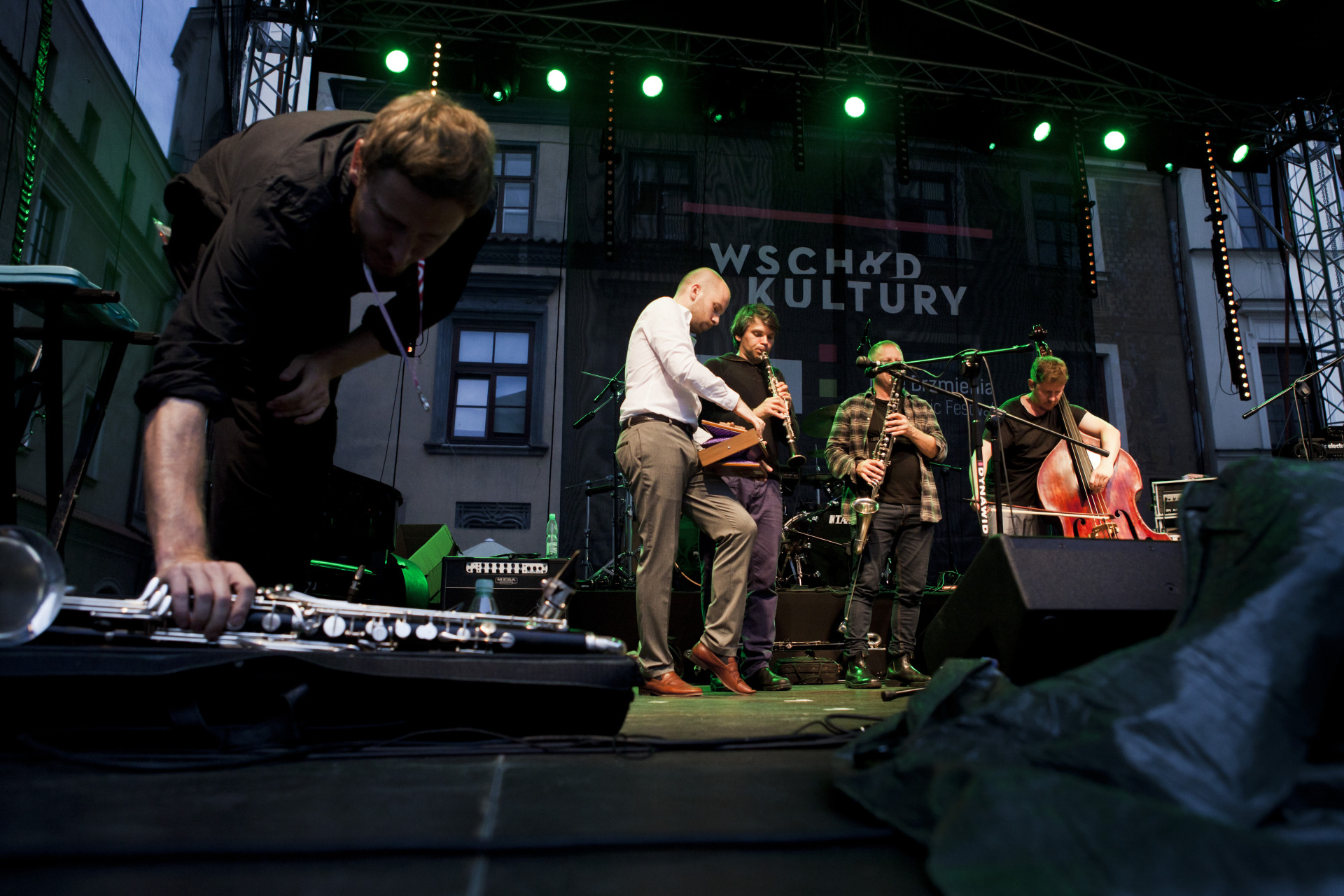
Lineup:
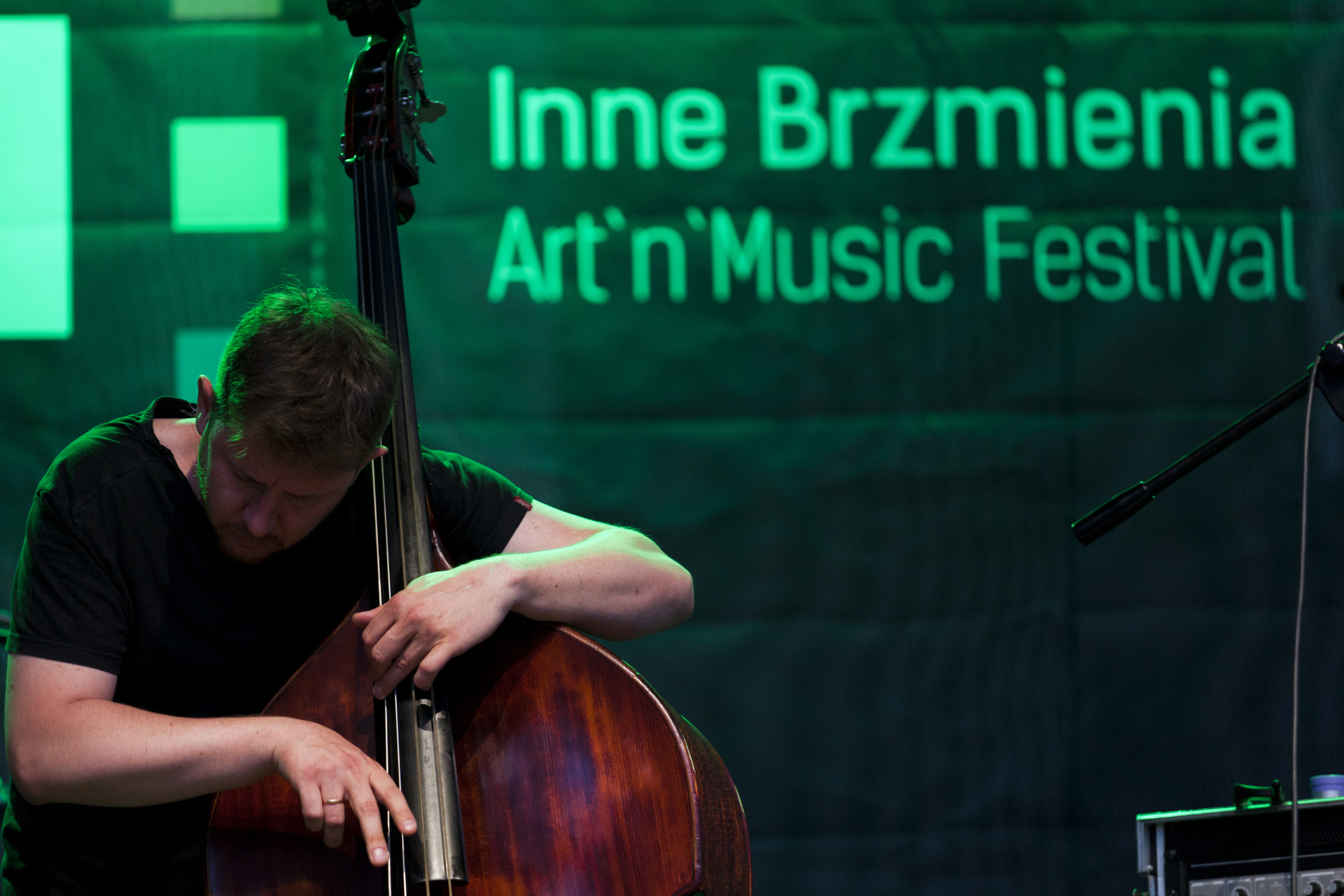
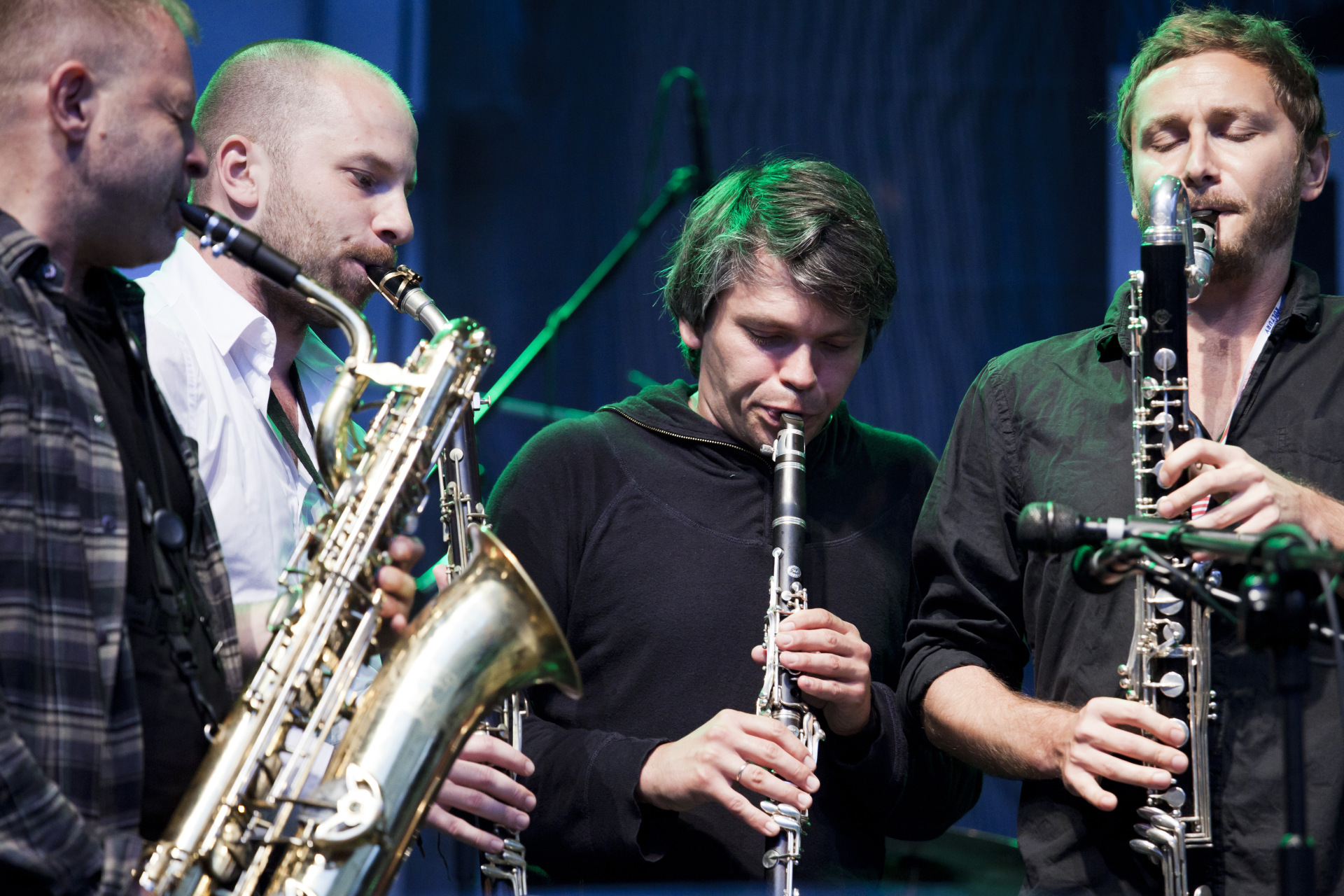
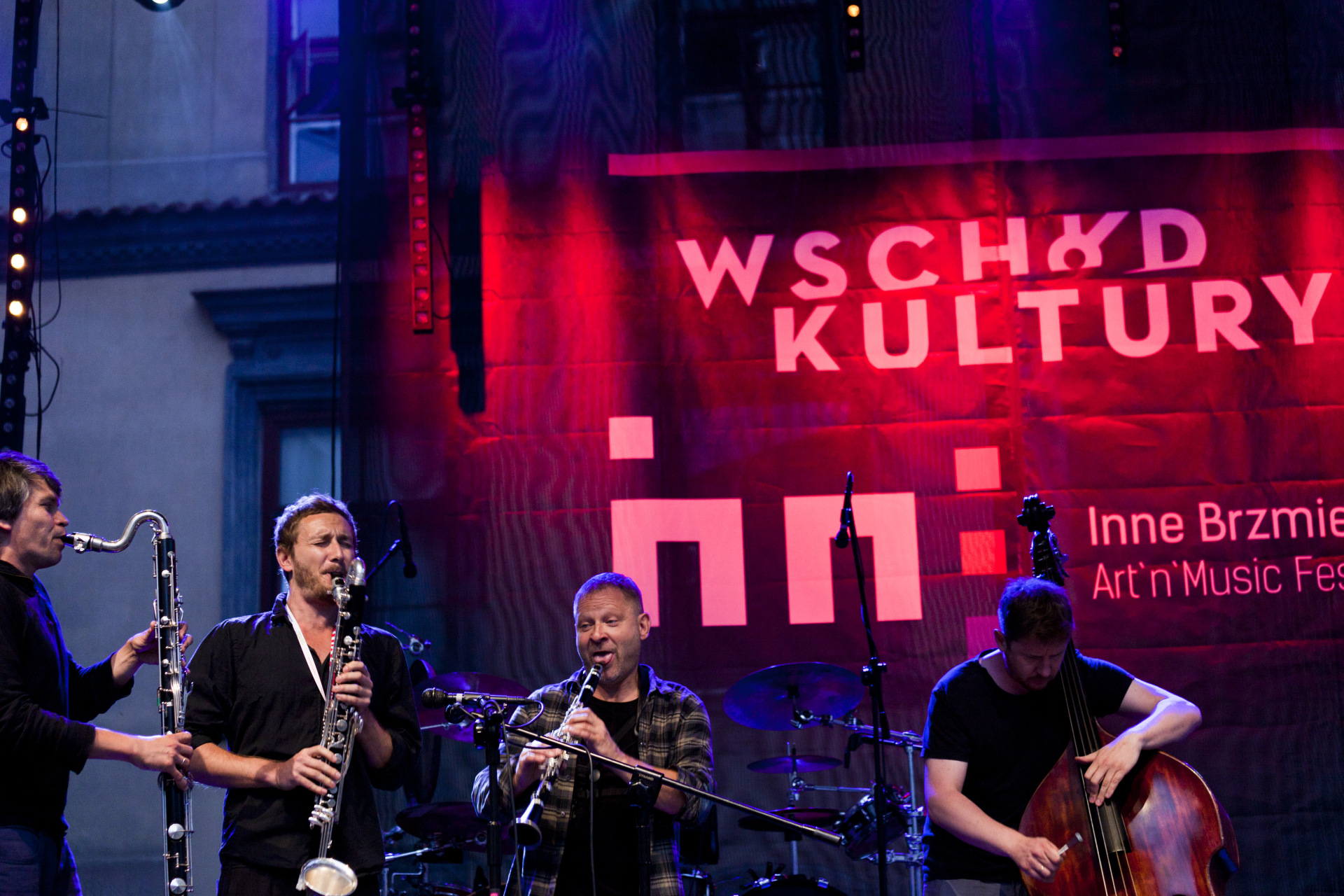
Mikołaj Trzaska – clarinets, saxophone
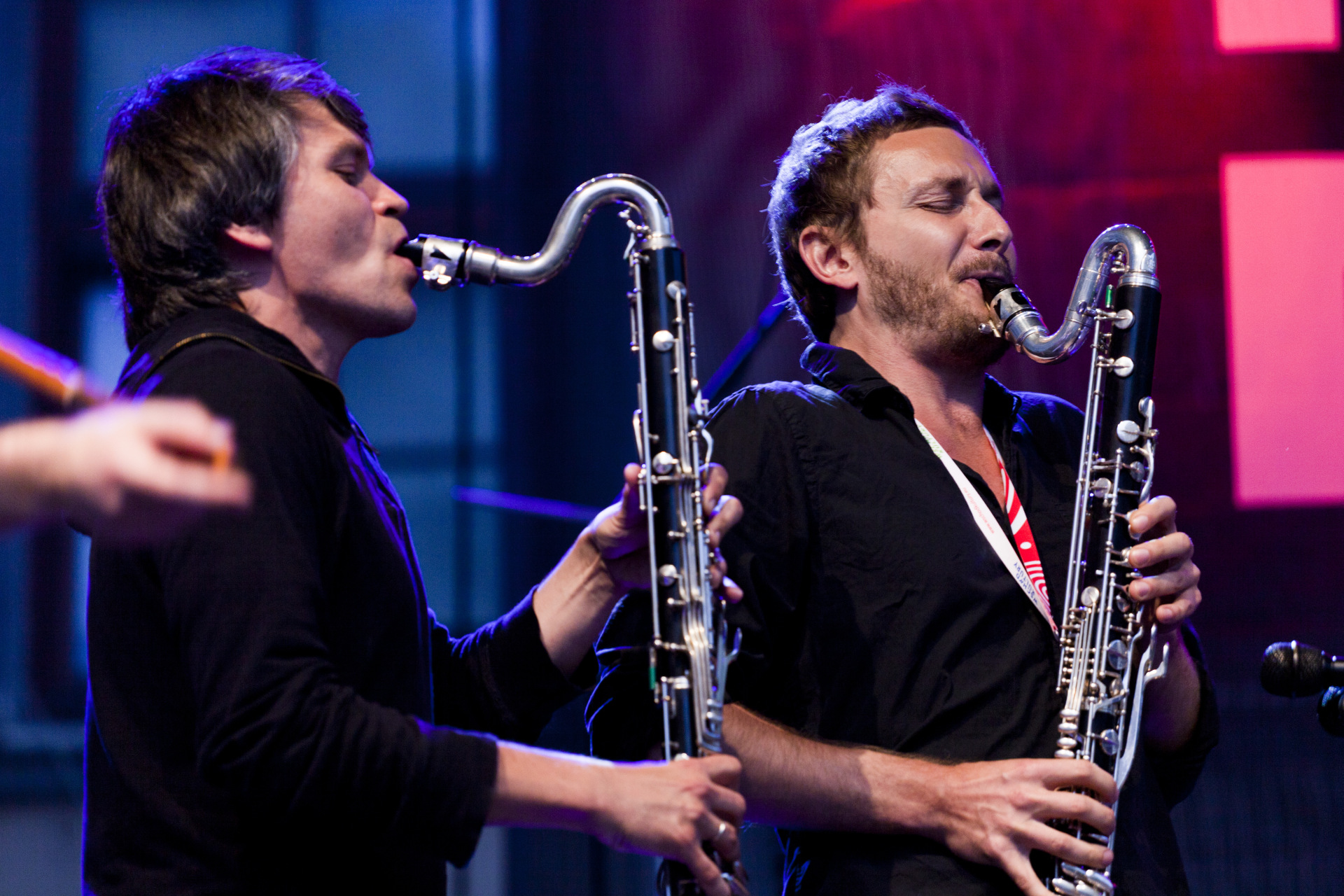
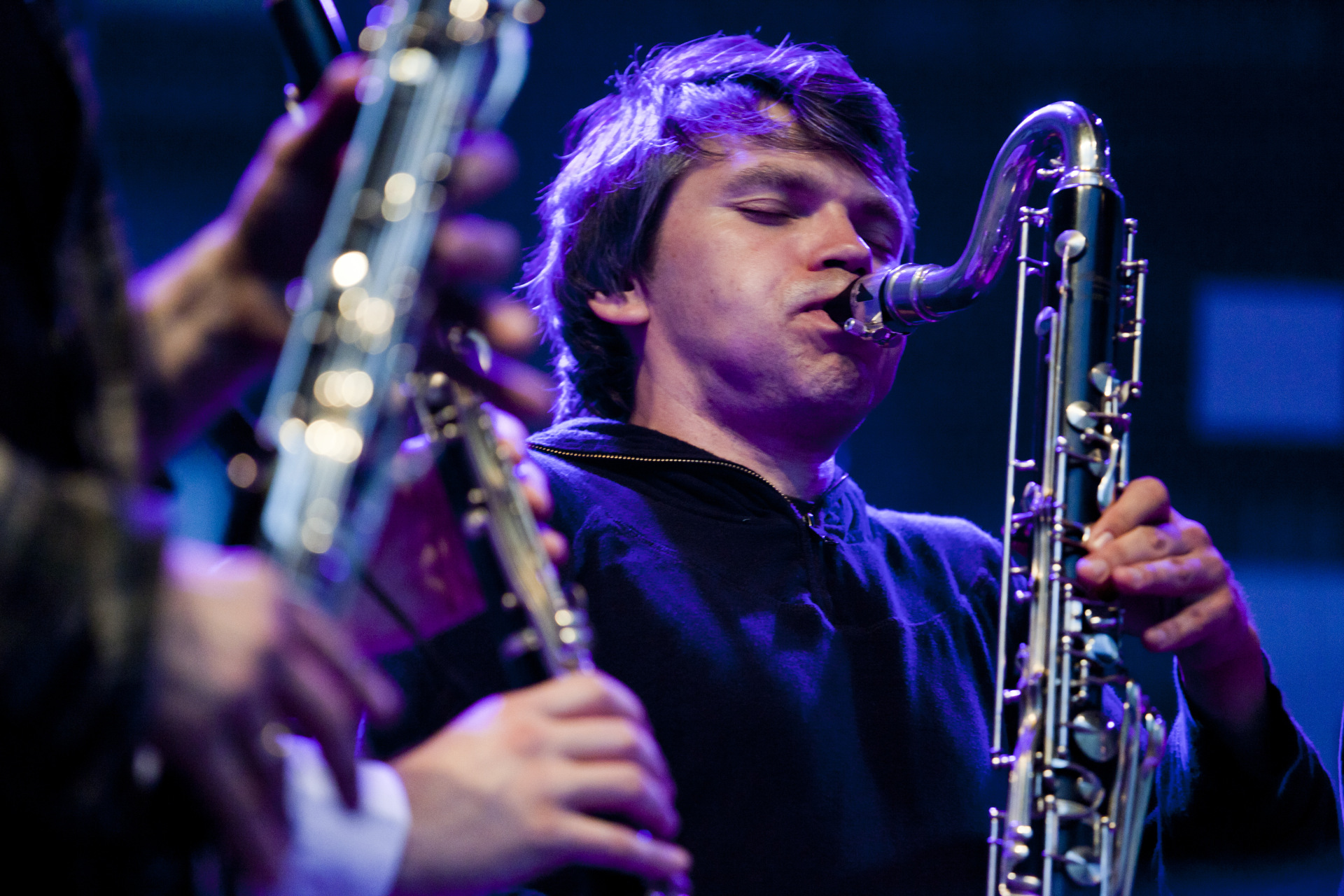
Michał Górczyński – bass clarinet
Wacław Zimpel – clarinet
Paweł Szamburski – clarinet
Adam Żuchowski – double bass
Paweł Szpura – drums
Mikołaj Trzaska, composer, saxophonist, and clarinettist, has collaborated with director Wojciech Smarzowski for many years. His credits include soundtracks for the films The Dark House (Dom Zły), Rose (Róża), and The Mighty Angel (Pod Mocnym Aniołem), as well as the television play Cure (Kuracja).
In the project “Mikołaj Trzaska plays Rose,” a five-piece ensemble presents pieces from Smarzowski’s soundtracks, including fragments that did not make the final film cuts but were integral to the complete creative visions for Rose and The Dark House. Trzaska admits he spent a long time searching for the right artists to perform this music with him; this search led to the formation of a band featuring Wacław Zimpel, Michał Górczyński, Adam Żuchowski, and Paweł Szpura.
Trzaska is also the co-founder and saxophonist of the group Miłość, the leader of Łoskot, and a prolific composer for film and theatre. He has collaborated with artists such as . Tymon Tymański, Marcin Świetlicki, Andrzej Stasiuk, Yuri Andrukhovych, Peter Brötzmann, Ken Vandermark, and Joe McPhee. He is an artist who boldly transcends both genre and cultural boundaries.
Mikołaj Trzaska on the Music for Rose
Trzaska admits that while creating the music for Rose, he—much like the actors—experienced a spectrum of joy, depression, and fear.
Film music is the most intimate part of my work. I have a hidden fear of exposing these emotions and feelings in everyday life, but in music, as with most artists, they emerge. This music is like sharing the final crumbs, the last crust of bread; it matters to me that in life, we pull those crumbs from our pockets after the large bites eaten in a rush.
Review: Mikołaj Trzaska Plays Rose
“This was no ordinary concert. Even if the themes used in Rose are simple and easy to play, every gasp of air forced into the clarinet summoned dramatic images. Not necessarily Bosch-like, for Smarzowski’s new film radiates not only violence and hatred, but also (and perhaps above all?) hope and love. One does not need to be an expert in free jazz to notice the immense effort this concert cost Mikołaj Trzaska.
However, that effort did not go to waste. In a way known only to himself, the composer poured his deepest feelings into his stage companions. I do not know if it required many shared screenings, conversations until dawn, or dozens of rehearsals (most likely a bit of everything), but it produced a truly poignant effect. Initially, the sextet clung quite tightly to the themes, only to eventually surrender to improvisation loosely based on a proven script. No one shouted ‘Ad rem, gentlemen!’, for the ‘matter at hand’ wasn’t the point here. Rather, Trzaska and his colleagues tried to capture the great spirit that binds the cinematic story. And the fact that it occasionally slipped through their fingers? Well, all the better—that’s when we had it all to ourselves.”
This concert is presented as part of a showcase of the Kilogram Records catalogue.
KILOGRAM RECORDS
This concert is presented as part of a showcase of the Kilogram Records catalogue.
Starting with this year’s edition, a permanent fixture of the Different Sounds festival will be the presentation of domestic independent record labels. First up is Kilogram Records—one of the most interesting Polish labels of the new century, whose impact extends far beyond the sphere of music.
An uncompromising, original vision, a wealth of cultural contexts, and a consistent, attractive graphic design make the label a unique and significant phenomenon.
Kilogram Records was founded in 2000 in Gdańsk by Ola and Mikołaj Trzaska. They were inspired by an initiative developed by another creative couple—the literary publishing house Czarne, run by Monika Sznajderman and Andrzej Stasiuk.
VIEW PHOTOS